

Bacterial gastrointestinal infections are a less common cause of acute diarrhea in children compared to viral infections, but they usually have a more severe course and require more careful medical evaluation. They cause inflammation of the intestinal lining, which may present with fever, significant abdominal pain, and changes in the appearance of the stool. As with any child with diarrhea, the most important factors to monitor are the child’s overall condition and the risk of dehydration. However, in bacterial infections it is also important to consider the possibility of complications that are not typical for viral gastroenteritis.

How They Differ From Viral Infections
Unlike viral gastroenteritis, which usually begins with vomiting and watery diarrhea, bacterial intestinal infections more often present with more pronounced abdominal pain and changes in the characteristics of the stool. The stool may contain mucus or blood, which suggests inflammation of the colon. In some cases, children may experience painful and frequent urges to defecate, during which only a small amount of stool is passed but the discomfort is significant. The child may appear more fatigued, refuse to drink fluids, and show a more noticeable deterioration in their general condition.
Despite these features, symptoms may overlap, and it is not always possible to distinguish viral from bacterial infection based solely on clinical presentation. For this reason, the presence of blood in the stool, prolonged symptoms, or worsening of the child’s overall condition may require microbiological testing of a stool sample in order to identify the causative organism and determine whether specific treatment is needed.
Most Common Bacterial Causes
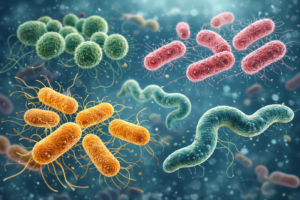
The most common bacterial causes of intestinal infections in children include Salmonella, Shigella, Campylobacter, and certain strains of Escherichia coli. Infection usually occurs through the consumption of contaminated food or water, inadequate thermal processing of meat, contact with infected animals, or poor hand hygiene. In childcare settings, infections may spread rapidly, particularly when strict hygiene measures are not followed.
Salmonella
Salmonellosis is one of the most common bacterial infections in childhood. It is most often associated with the consumption of undercooked eggs, poultry, or dairy products, as well as contact with domestic or farm animals. The illness typically begins suddenly with fever, fatigue, and abdominal pain, followed by diarrhea that may be watery or contain mucus. Vomiting may occur but does not usually dominate the clinical picture. In most cases, the infection is self-limited and resolves within a few days. However, infants and children with weakened immune systems may be at risk of a more severe course and possible spread of the infection beyond the intestines.
Campylobacter
Campylobacter infection, most commonly caused by Campylobacter jejuni, is transmitted through undercooked poultry, unpasteurized milk, or contaminated water. It often presents with more severe abdominal pain, sometimes mimicking a surgical condition such as appendicitis. The diarrhea may initially be watery but may later contain mucus or blood. Fever is usually present, and the child’s general condition may appear significantly affected. Although most cases resolve without specific therapy, complications may occur and sometimes require broader treatment beyond standard rehydration.
Shigella
Shigellosis is less common but has a more characteristic presentation. It spreads easily from person to person through the fecal–oral route, making it particularly contagious in daycare centers and schools. The infection primarily affects the colon and presents with frequent, painful urges to defecate, during which only small amounts of stool are passed but often contain mucus and blood. Abdominal pain can be significant, and the child may appear markedly fatigued. Because of the higher risk of complications and prolonged illness, shigellosis more often requires specific treatment after microbiological confirmation.
Escherichia coli
Certain strains of Escherichia coli, particularly so-called enterohemorrhagic strains, can cause more severe disease. Infection usually occurs through contaminated food, undercooked beef, or unpasteurized products. The illness may begin with abdominal pain and watery diarrhea that later becomes bloody. Fever is not always present. In a small number of children, particularly those under five years of age, there is a risk of complications affecting kidney function. For this reason, the presence of bloody diarrhea requires careful medical evaluation and follow-up.

When Are Antibiotics Needed?
Not every bacterial intestinal infection requires antibiotic treatment. In many cases, the illness is self-limited and the body clears the infection on its own when adequate rehydration and monitoring are provided. The main therapeutic measure remains ensuring sufficient fluid intake and monitoring the child’s overall condition.
Antibiotics are usually prescribed in cases of severe disease, significant deterioration of the child’s condition, persistent high fever, confirmed bacterial infection with a specific pathogen, or when risk factors are present such as very young age, chronic illnesses, or a weakened immune system. In some situations, the decision to start antibiotic therapy is made after microbiological testing and determination of the pathogen’s antibiotic sensitivity.
Inappropriate or premature use of antibiotics may prolong bacterial carriage, disrupt the normal intestinal microbiota, and contribute to antibiotic resistance. For this reason, treatment should always be individually assessed by a physician, and self-medication with antibiotics is not recommended.
Possible Complications
In rare cases, bacterial intestinal infections may lead to complications, especially in infants, young children, or children with underlying medical conditions. Persistent high fever, marked fatigue, refusal to drink fluids, reduced urination, or the appearance of pallor and unusual drowsiness are warning signs that require immediate medical evaluation. These symptoms may indicate a more severe course of infection or the development of dehydration.

Certain bacterial strains, particularly specific types of Escherichia coli, may lead to complications affecting kidney function. Although this condition is rare, it requires careful monitoring when bloody diarrhea, reduced urine output, or sudden pallor are present. Early recognition and timely medical intervention significantly reduce the risk of serious consequences.
In most cases, with adequate rehydration and proper medical supervision, recovery is complete and occurs without long-term complications.
Treatment and Home Care
The cornerstone of treatment remains adequate rehydration using oral rehydration solutions. If vomiting occurs, fluids should be given in small and frequent sips. Feeding should not be completely stopped, and light, easily digestible foods are usually recommended.
Monitoring for signs of dehydration is essential. If the child cannot keep fluids down, develops repeated bloody diarrhea, or shows worsening general condition, medical evaluation is necessary.
Diagnosis
The diagnosis of bacterial intestinal infection is based on clinical symptoms and, when necessary, confirmed by microbiological testing of a stool sample, known as a stool culture. This test is recommended when blood is present in the stool, when the child’s condition is severe, when diarrhea persists for several days, or when a specific bacterial cause is suspected.

In some cases, blood tests may also be performed to assess the level of inflammation and the child’s overall condition. The results help determine whether specific treatment is required and whether closer monitoring is needed.
Prevention
Good hand hygiene, proper cooking of food, and storing food at appropriate temperatures are key preventive measures. Washing fruits and vegetables thoroughly and avoiding undercooked meat significantly reduces the risk of infection. In childcare settings, children with diarrhea should remain at home until they have fully recovered.
Bacterial intestinal infections in children are less common than viral ones, but they require more careful evaluation. In most cases, with timely rehydration and appropriate monitoring, recovery is complete. The most important indicator remains the child’s overall condition and their ability to drink fluids.
Disclaimer
This article is intended for informational purposes only and does not replace medical examination or consultation with a healthcare professional. If you have concerns, notice worsening symptoms, or observe warning signs, seek medical care promptly.
Author
Dr. Angel Todev
Physician specializing in infectious diseases.