
Bacterial gastrointestinal infections are a less common cause of acute diarrhea in children compared to viral infections, but they usually have a more severe course and require more careful medical evaluation. They cause inflammation of the intestinal lining, which may…

Viral gastrointestinal infections are the most common cause of acute diarrhea and vomiting in children. In most cases, they begin suddenly with fever, vomiting, and watery stools and resolve within a few days without long-term consequences. The main risk is…
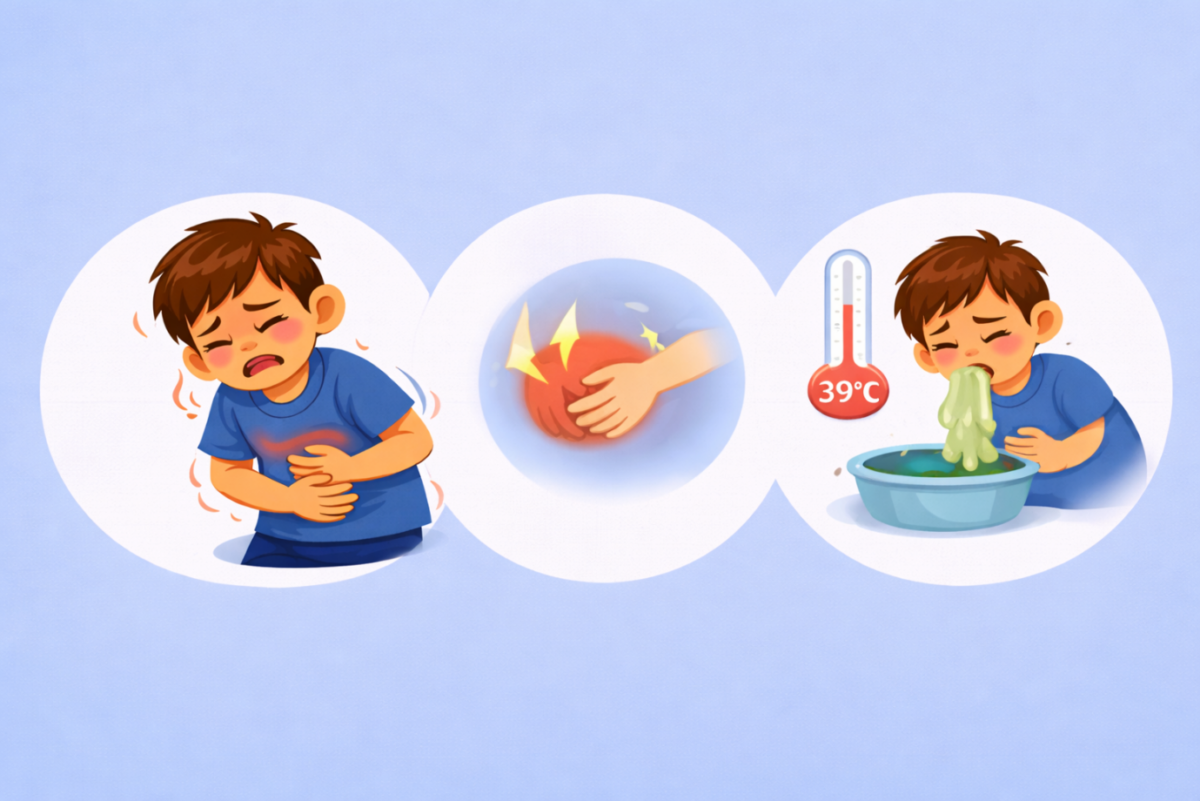
Understand when diarrhea in a child becomes dangerous. Learn the warning signs of dehydration, high fever, blood in the stool, and when medical attention is necessary.
Acute diarrhea in children most often follows a mild and self-limiting course. However, the…
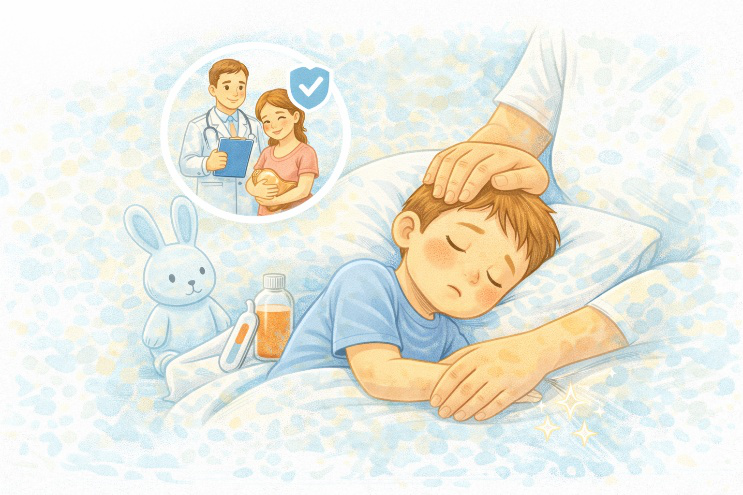
Diarrhea in children is one of the most common conditions parents face, especially in early childhood. Almost every child experiences at least a few episodes of acute gastroenteritis before reaching school age. In most cases, the illness is self-limiting and…
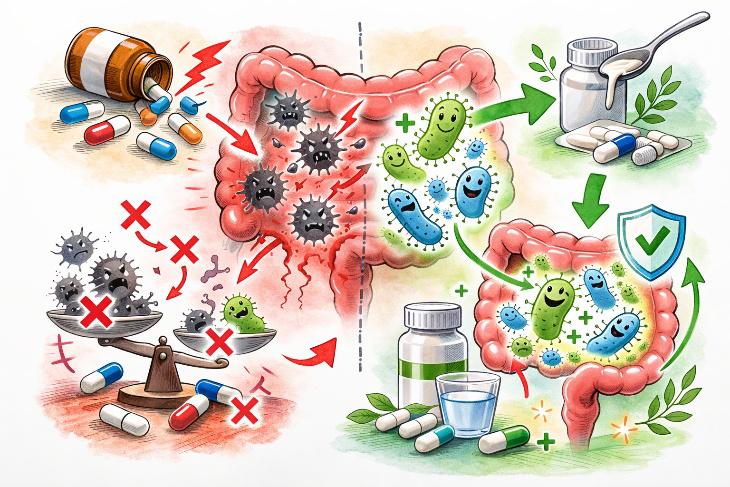
Diarrhea following antibiotic treatment is relatively common in childhood. In most cases, it is mild and transient, related to temporary alterations in the intestinal microbiota. However, in some instances, diarrhea may indicate a more serious complication, including infection with Clostridioides…