


Viral gastrointestinal infections are the most common cause of acute diarrhea and vomiting in children. In most cases, they begin suddenly with fever, vomiting, and watery stools and resolve within a few days without long-term consequences. The main risk is the loss of fluids and electrolytes, which may lead to dehydration, especially in infants and young children. Understanding how the illness progresses helps parents respond calmly and appropriately.
Parents often wonder whether diarrhea is viral or bacterial. In children, the cause is most often viral, particularly when stools are watery, without blood or mucus, and the illness begins with vomiting and a moderate fever. Bacterial infections are more likely to present with higher fever, severe abdominal pain, and blood or mucus in the stool. The child’s overall condition may appear more affected. However, symptoms can overlap, and it is not always possible to distinguish viral from bacterial infection based solely on clinical signs. If bacterial infection is suspected—especially when blood is present in the stool or the child appears seriously ill—medical evaluation and, if necessary, stool testing are required.
The most common cause of severe viral gastroenteritis in early childhood is rotavirus. Transmission occurs through the fecal–oral route, via contaminated hands, surfaces, toys, or food. The virus is highly resistant in the environment and spreads easily in childcare settings. The incubation period is usually short—one to three days. The illness typically begins abruptly with vomiting and high fever, followed by frequent watery diarrhea. In younger children, the risk of dehydration is higher because fluid losses can occur rapidly.
Rotavirus infections tend to be more severe in infants, which is why a vaccine against rotavirus is available. It is an oral live attenuated vaccine given in early infancy. Although it is not included in the mandatory immunization schedule in some countries, it is strongly recommended because it significantly reduces the risk of severe disease, dehydration, and hospitalization. The vaccine is administered in several doses depending on the product and must be started in the first months of life due to age restrictions for initiation and completion. Side effects are usually mild and short-lived, such as irritability or brief episodes of diarrhea. Serious complications are extremely rare, and the benefits of vaccination in infants are well established.
Norovirus is another common cause of viral gastrointestinal infections and affects all age groups, including both children and adults. It is highly contagious and spreads through the fecal–oral route as well as via droplets during vomiting, which explains its rapid spread within families, schools, and daycare centers. Even a very small number of viral particles is sufficient to cause infection, and the virus can survive on surfaces for days.
The incubation period is short—usually 12 to 48 hours—and the onset is sudden. The first symptom is often intense, repeated vomiting, especially in children. Diarrhea is typically watery and without blood and may be accompanied by abdominal cramps, nausea, and general fatigue. Fever may be mild or absent. Although the illness usually lasts one to three days, symptoms can be intense during the first 24 hours and may lead to rapid fluid loss, particularly in young children and older adults. Viral shedding may continue for several days after symptoms resolve, which is why good hand hygiene remains important even after clinical improvement.

Enteric adenoviruses, most commonly types 40 and 41, also cause gastroenteritis in children, particularly those under two years of age. Unlike other adenoviruses that cause respiratory infections or conjunctivitis, these types primarily affect the gastrointestinal tract. Transmission occurs via the fecal–oral route through contaminated hands or surfaces. The virus can persist in the environment and may continue to be shed in stool for weeks after recovery, facilitating spread in childcare settings.
The incubation period is longer than that of rotavirus or norovirus—typically three to ten days. The illness often begins more gradually and may cause prolonged watery diarrhea lasting more than a week. Vomiting is usually milder or absent, and fever may be low-grade or absent. In most cases, the child’s general condition remains relatively stable despite the longer duration of symptoms. Nevertheless, prolonged diarrhea in young children requires careful monitoring for signs of dehydration, especially if fluid intake is reduced.
Other viruses, such as astroviruses and sapoviruses, can also cause gastroenteritis in children. These infections are usually milder, with short-lasting diarrhea and moderate vomiting. In routine clinical practice, identifying the exact viral cause is often unnecessary, as treatment remains supportive and focused on rehydration and monitoring.
Although most viral intestinal infections present as gastroenteritis, some viruses initially replicate in the gastrointestinal tract but may affect other organs. One example is poliovirus, the cause of poliomyelitis. Today, the disease is extremely rare due to widespread immunization. Historically, the virus was transmitted via the fecal–oral route and could initially present with mild flu-like or gastrointestinal symptoms. However, poliomyelitis has a different mechanism and potential complications and will be discussed in a separate article.
Regardless of the specific virus, the clinical picture is often similar, and treatment in most cases is supportive, with a primary focus on adequate fluid intake and monitoring for signs of dehydration.
Viral gastrointestinal infections show some seasonality. Rotavirus infections are more common in winter and early spring. Norovirus is also more frequent during colder months but can cause outbreaks throughout the year. Enteric adenoviruses occur year-round. This explains the increased number of cases in childcare settings during autumn and winter.
The most important aspect of home care is monitoring for signs of dehydration. Dry lips, reduced urination, absence of tears when crying, sunken eyes, or unusual drowsiness are warning signs that the child is losing more fluids than they are taking in. In infants, a decrease in the number of wet diapers is particularly significant. If the child drinks fluids and urinates regularly, the risk of complications is low. However, if oral rehydration at home does not lead to improvement or the child’s condition worsens, medical care should be sought without delay.
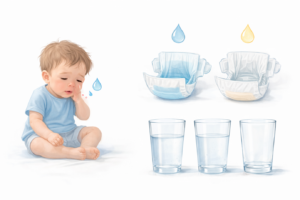
Viral gastrointestinal infections are not treated with antibiotics. Antibiotics do not work against viruses and may even worsen diarrhea by disrupting the normal intestinal flora. The cornerstone of treatment is oral rehydration therapy using solutions that contain the proper balance of water, salts, and glucose. These solutions help replace lost electrolytes and reduce the risk of dehydration. Fluids should be given in small, frequent sips, especially if vomiting is present.
Feeding should not be completely stopped. Breastfeeding should continue in infants. Older children may eat light, easily digestible foods while avoiding fatty or heavy meals. Temporary lactose intolerance may occur after the infection, leading to bloating and persistent watery stools, but this condition is usually temporary.
In most cases, viral infections resolve without complications. Medical evaluation is necessary if the child cannot keep fluids down, if diarrhea persists for several days without improvement, if blood appears in the stool, or if the overall condition worsens. Serious complications are rare when rehydration is started promptly.

Prevention includes good hand hygiene and proper cleaning of surfaces, especially after episodes of vomiting. A vaccine against rotavirus significantly reduces the risk of severe disease and hospitalization.
Children are most contagious during active symptoms, particularly when vomiting and diarrhea are present. However, viruses may continue to be shed in stool for several days after clinical recovery, and sometimes longer depending on the cause. For this reason, it is recommended that children remain at home for at least 48 hours after vomiting and diarrhea have stopped before returning to daycare or school. Strict hand hygiene remains the most effective measure to limit transmission.
Viral gastrointestinal infections are a common part of childhood. They are unpleasant but usually not dangerous when the child is carefully monitored and receives adequate fluids. The most important indicator remains the child’s overall condition—if the child is alert, responsive, and drinking fluids, the likelihood of a serious problem is low.
Disclaimer
This article is for informational purposes only and does not replace medical examination or consultation with a healthcare professional. If you are concerned about your child’s condition, notice worsening symptoms, or observe warning signs, seek medical care promptly.
About the Author
Dr. Angel Todev
Infectious Diseases Physician